Modern organizations collect large amounts of personal data from users, including names, locations, browsing history, and
financial information. This data is often collected through websites, apps, and online services to improve products or personalize
experiences. However, storing this information creates privacy risks because sensitive data may be exposed if security systems fail
or if companies misuse the information. Poor encryption, weak access controls, and outdated software can allow attackers to steal or
view private data.
Companies frequently share or sell collected data to third parties such as advertisers, marketing companies, or analytics firms.
When data is distributed among multiple organizations, the risk of misuse or leaks increases significantly. If even one of those
companies has weak security, personal information may become vulnerable to hackers. These practices raise concerns about how much
control individuals truly have over their personal information online.
Another major risk is large-scale data breaches. Hackers can exploit vulnerabilities in databases or trick employees through
phishing attacks to gain access to private information. Once stolen, data can be sold on the dark web or used for identity theft
and fraud. As more services move online, protecting user data has become one of the most important challenges in modern computing.
Computing resources such as processing power, storage space, and internet bandwidth are essential for running software and
networks. However, these resources can be misused by cybercriminals for illegal or unethical activities. One common misuse is
installing malware that secretly uses a computer’s processing power to perform tasks without the user’s knowledge.
A well-known example of this misuse is cryptojacking, where attackers secretly use someone else's computer to
mine cryptocurrency. In these attacks, malicious code runs in the background, consuming CPU power and slowing down the
victim’s device. Large-scale attacks may infect thousands of computers or servers, allowing hackers to generate profits
without paying for the computing resources themselves.
To protect computing resources, organizations use cybersecurity measures such as firewalls, antivirus software,
and monitoring systems that detect unusual activity. Regular software updates, strong passwords, and network security
tools can help prevent attackers from exploiting systems. Education and awareness are also important so users can
recognize suspicious downloads or links.
Unauthorized access occurs when someone gains access to information or systems without permission. Hackers
may exploit weak passwords, software vulnerabilities, or social engineering techniques to break into databases
or accounts. Once inside, they can steal sensitive information, install malware, or disrupt services.
One of the most common methods hackers use is phishing. In phishing attacks, cybercriminals send
fake emails or messages that appear to come from trusted sources. When users click the links or enter
their login credentials, attackers gain access to their accounts. Hackers may also use techniques like
credential stuffing, where they try previously leaked usernames and passwords to break into other services.
Organizations prevent unauthorized access by using cybersecurity measures such as multi-factor authentication,
encryption, and intrusion detection systems. These protections help ensure that only authorized users can
access sensitive information and that suspicious activity is detected quickly.
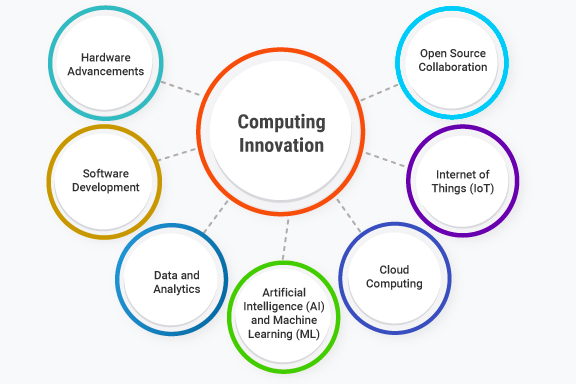
Computing innovations have transformed society by improving communication, healthcare, education, and
business. Technologies like artificial intelligence, cloud computing, and mobile devices make everyday
tasks faster and more efficient. For example, AI-powered tools can analyze medical data to help doctors
diagnose diseases more accurately. These advancements have greatly improved quality of life and productivity.
However, computing innovations also come with risks and unintended consequences. Technologies designed
for beneficial purposes can sometimes be misused. For instance, AI systems can be used for surveillance
or spreading misinformation. Social media platforms, such as TikTok, have raised concerns about data privacy
and mental health impacts, especially among younger users.
An example of unintended consequences is facial recognition technology. While it is useful for security
and identification, it has raised ethical concerns about privacy and bias. Companies like Amazon have
developed facial recognition tools, but critics argue that these systems can lead to surveillance and
discrimination. This highlights the need to carefully evaluate both the benefits and risks of new technologies.